


Intermittent fasting involves going without food for a few hours each day, with the exception of water. This topic has been studied and debated over the years by various health professionals and has sparked the interest of many people. Learn about the benefits.
What is the concept of intermittent fasting?

Fasting is the process that begins when no food is consumed after the digestive period. It is a form of calorie restriction that is part of a natural process occurring in the body. Intermittent fasting, on the other hand, involves voluntarily abstaining from food.
What happens to the body during a fast?
The topic of intermittent fasting began to attract interest in the scientific community when evidence started to emerge that longer periods of calorie restriction could increase longevity and enhance the body’s regenerative processes. In 2016, Japanese scientist Yoshinori Ohsumi won the Nobel Prize in Medicine for his work describing the benefits of autophagy—a process that occurs during prolonged fasting. When we are fasting—that is, without caloric intake—our body seeks energy from other sources. When this happens, metabolic pathways are activated, such as the activation of the AMPK enzyme, which triggers a series of events, including beta-oxidation—that is, the use of stored fat as an energy source. Thus, as a primary effect of fasting, blood insulin levels decrease (which is essential for those seeking to lose weight), glucose transport into cells improves, and the synthesis of cholesterol and triglycerides is inhibited. The longer the fasting period, the greater the production of insulin-counterregulating hormones, such as glucagon.
What is Autophagy?
Autophagy is a natural regenerative process that occurs at the cellular level in the body, reducing the likelihood of certain diseases and increasing longevity. It is the process by which cells break down and recycle their components. During autophagy, the body provides “fuel” for energy production and the essential components for cell renewal.
Cells use autophagy to break down damaged proteins and organelles, thereby counteracting the negative effects of aging on the body. Organelles are the structures found inside cells that carry out the vital functions associated with each cell.
What are the benefits of intermittent fasting?

Studies have shown that fasting can induce hormesis—that is, the body’s ability to adapt to stressful situations. Other studies have also shown that it increases neural plasticity, stimulates BDNF (brain-derived neurotrophic factor), enhances mental clarity, improves cognitive function and memory, and reduces beta-amyloid deposits in the brain—substances that accumulate over the years and are linked to Alzheimer’s disease. Intermittent fasting also promotes intestinal rest and repair, improves sleep by increasing melatonin release, among other benefits. The conclusion is that fasting is undoubtedly one of the ways to promote tissue repair and cleanse the body.
How long should I fast, and how often?
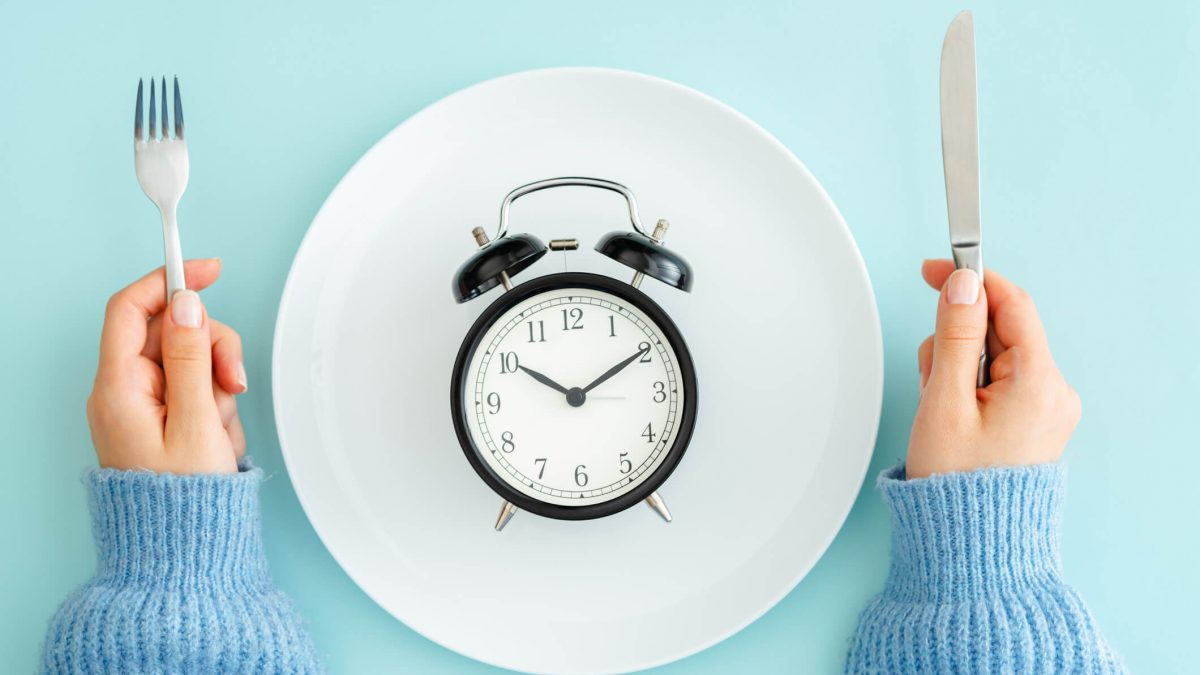
The length of time each person should fast varies depending on their lifestyle and diet. Someone with an unhealthy diet will need to fast for longer so that the body can burn stored fat.
Fasting and its benefits:
- After 4 to 8 hours of fasting —the stomach empties, blood glucose levels drop, and insulin production decreases;
- 12 hours of fasting – the digestive system is at rest, the energy from food has been burned, and the body begins its recovery process;
- 4 p.m. – high levels of hormones that regulate blood sugar and accelerate fat burning;
- 24 Hours – Active autophagy, depletion of glycogen stores
What should I eat between fasting periods?

Fasting can enhance a weight-loss diet, but it should always be combined with a healthy diet rich in nutrients. During this process, our body has a tremendous need for nutrients, and after the fasting period, foods such as avocados, flaxseeds, oats, broccoli, berries, and kale are always good options.
What is the difference between calorie fasting and metabolic fasting?
- Calorie Fasting – This is a strategy that involves abstaining from calorie intake for a period of time. During this period, you may only consume non-caloric liquids, such as water, tea, and coffee.
- Metabolic Fasting – In this type of fasting, the goal is to avoid consuming foods that stimulate insulin production (in this context, the food group that stimulates insulin the most is carbohydrates, followed by protein—to a lesser extent). Therefore, during metabolic fasting, in addition to calorie-free liquids, you may consume a small amount of healthy fats, such as coconut oil, olive oil, and butter.
Ambos os processos de jejum trazem benefícios para a saúde e por isso, o ideal é que discuta com o seu médico ou nutricionista clínica, o modelo mais adequado ao seu perfil, organismo e hábitos.
What are the most common mistakes made during the fasting period?

It is very common for people to practice intermittent fasting incorrectly, associating it with the idea that they can eat less healthy foods because they go without food for a long period of time. It is important to understand that intermittent fasting, if not combined with a balanced diet, adequate water intake, and proper meal planning, will not yield good results; on the contrary, it may contribute to an imbalance in the body.
Take care of your body, plan your daily routines, decide how long you want to fast, and plan your meals—always under the guidance of a qualified healthcare professional.