

We are only alive because our body is able to respond with inflammation, but chronic inflammation makes us fat. Find out what you need to do to reverse the process of internal inflammation and gain more health by losing weight.
What is this "inflamed organism"?
Whenever we are attacked, either internally or externally, our body manages an important inflammatory process to protect us. If we are attacked by an external agent that sticks itself in our finger, for example, our body will produce inflammation that creates pus so that we can expel the agent and this is the body's defense mechanism. When the agent attacks the body internally, a process of internal inflammation develops and this is beneficial for us. Of course, inflammation also promotes stress in the body, particularly oxidative stress, but if this stress is occasional it doesn't cause any damage, if this inflammatory process is chronic our body becomes ill and has difficulty protecting itself against this and other aggressions, jeopardizing our quality of life, body weight management and even our survival.
Acute vs. chronic inflammation: understand the difference

When we think of inflammation we imagine a specific organ becoming inflamed, reddened and swollen, but in reality this happens when the inflammation is localized and acute and originates from viruses, bacteria and trauma. However, the inflammation that influences our weight control and our health is generalized, chronic inflammation.
Acute inflammation resulting from a one-off traumatic event is essential for our survival and is a response without which we would not survive. The problem is when this inflammation persists. So desirable inflammation is an acute, intermittent and time-limited response. If this inflammation persists, we will do more harm than good. Thus, acute inflammation is like an army that is called up to fight in a battle and leaves the battlefield when it's over.
When the body is constantly exposed to the enemy, the body is persistently on alert and the army must always be on the battlefield, representing chronic inflammation. The enemy in this case is pollution, inflammatory foods, a sedentary lifestyle, stress, sleep irregularities and other inflammatory agents.
Unlike localized inflammation, that linked to excess weight is diffuse inflammation, which affects the body in a generalized way, reaching the blood vessels and even the brain, and can become chronic. For example, if we eat inflammatory foods every day that harm the body, such as sugar that promotes excessive insulin production, our body will produce generalized inflammation in an attempt to regenerate the body. Some authors promote the idea that most diseases develop because there is this inflammatory process and according to our genetic susceptibilities.
Controlling inflammation to manage weight
It is important that we reverse the inflammatory process:
- Promoting nutritional balance
- Correct oxidative stress
- Improving natural anti-inflammatory pathways
- Increase your intake of antioxidant foods
How can nutritional balance be promoted to reverse the inflammatory process?

To promote nutritional balance, we must eliminate inflammatory foods such as:
- Processed meats;
- Dairy products (milk casein);
- Wheat (gliadin and gluten);
- Refined oils;
- Sugars;
- Sweeteners, colorings
Improving natural anti-inflammatory pathways by balancing the intake of foods rich in omega-3 and omega-6 is another strategy for reducing and preventing the inflammatory process. To this end:
- Choose oils rich in polyunsaturated fat, such as olive oil;
- Give preference to nuts, oily fish and seeds;
- Avoid eating fatty meat;
- Avoid all processed and packaged foods
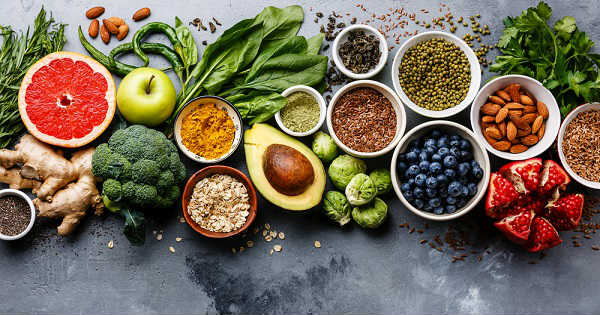
Eating antioxidant foods is essential to reduce the production of free radicals, so promote the consumption of:
- Very colorful vegetables
- Fruits
- Teas
- Spices
- Cocoa
How to control oxidative stress ?

The intake of certain vitamins and minerals that certain foods offer is important, and in certain cases, the use of supplements is prescribed by a health professional following a diagnosis. Examples include:
- Copper
- Zinc
- Manganese
- Glutathione
- Selenium
- B2
- vitamin E
- Cysteine
- Vitamin C
- Vitamin E
- Omega 3
- Beta-carotene
- Lutein
- Xanthine
How do I know if my body is inflamed?

The diagnosis of the inflammation index is possible on the basis of clinical analysis and lifestyle habits, so that the prescription can be personalized according to each metabolism.