

When we eat badly, the body defends itself by producing anti-inflammatory substances. If bad eating habits are constant, the body is no longer able to eliminate these substances and the anti-inflammatory process fails. Teresa Branco, a specialist in Weight Management, identifies the risks of this scenario, explains how to avoid it and indicates the benefits of an anti-inflammatory diet.
"Before it gets sick, the body shows symptoms that something isn't right, and this can mean that it's moving towards a state of inflammation," reveals Teresa Branco, a physiologist at Weight Management and author of the book Anti-inflammation: Reduce Inflammation to Lose Weight and Gain Health(Lua de Papel). As a result, "the body becomes unbalanced, facilitating the development of various illnesses, including weight gain, which may have been triggered by poor diet," explains the specialist in an interview with Prevenir magazine, "and states such as tiredness and lack of energy, discouragement, poor bowel function, fluid retention, insomnia or joint or headaches are common. Many people mistakenly disregard these signs or learn to live with them, considering them to be typical of their age, and don't go to the doctor, perpetuating this state."
Great interview with Teresa Branco, physiologist at Weight Management

What does it mean to have an inflamed body?
Inflammation occurs when the body produces inflammatory substances (such as homocysteine, ferritin, interleukin-6, cholesterol, triglycerides and uric acid) without being able to eliminate them, and they remain high because there are imbalances that make the body more vulnerable to the action of pathogens. It is very important to be aware of this, as we are constantly subject to the invasion of inflammatory substances, for example through pollution and, above all, food. In an attempt to defend itself, the body releases anti-inflammatory substances, but if it doesn't combat the chronic presence of these aggressors, they also become harmful. When the anti-inflammatory process is unsuccessful, it can lead to disease, particularly excess weight or obesity, but also autoimmune diseases, joint diseases or cancer, in the latter case because food is a vehicle for pathologies in the gastric and intestinal tracts.
How is the problem diagnosed?
Blood tests are the most common way of assessing the parameters of these inflammatory substances and whether they are elevated, and some people have chronically uncontrolled levels of these substances, particularly cholesterol, triglycerides and uric acid. The challenge is to understand the source of the problem, and it is common for the reason to be the systematic intake of inflammatory foods and consequent excess weight.
Is inflammation also visible on the body?
This could be another piece of evidence of inflammation, since an increased waist circumference (102 cm or more in men; 88 cm or more in women) combined with a high Body Mass Index (25 or more) indicates the existence of visceral (abdominal) fat, which is responsible for the production of many inflammatory substances. But a full assessment is always necessary.
"Most people's basic diet isn't rich enough and, if there's a vitamin or mineral deficit, taking supplements is recommended," says Teresa Branco, a physiologist at Gestão do Peso".
What eating habits increase inflammation in the body?
Sugar consumption, one of the biggest inflammatory agents as it causes insulin resistance, is one of the body's biggest enemies. Processed foods, such as fast food, are another threat, as they contain many additives, flavor enhancers or preservatives. Gluten and foods rich in this protein (pasta, bread, flour or cookies), as well as industrialized yeast, are also harmful and cause inflammation.
Does drinking alcohol contribute to inflammation, or only if you exceed certain quantities?
It depends on the drink. For example, a glass of red wine a day can be anti-inflammatory. But in excess, all alcoholic drinks are harmful. If you have a fatty liver, even one drop is harmful.
In the book, you refer to "excess adipose tissue/body fat as being responsible for producing alterations in the body's physiology". Does this mean that losing weight has an anti-inflammatory effect?
No doubt about it. A body with a high amount of fat mass, by default, is subject to excessive production of inflammatory substances and, as this increases, the cells become less healthy. However, losing weight or cutting calories is not enough to overcome inflammation, as strategies such as the personalized intake of certain anti-inflammatory substances must be added. In order to do this, it is essential to understand that food can act as a medicine, and is the treatment itself.

"Being male is synonymous with less fat mass and more muscle mass, which speeds up the metabolism. When faced with calorie restriction, men lose more weight," explains Teresa Branco
Is it true or myth that carbohydrates are highly inflammatory?
I wouldn't say so much. When well chosen and eaten in the right quantities, they can even be anti-inflammatory and structure the body, like quinoa, oats or sweet potatoes, especially for those who exercise regularly and manage their weight well. Fast-absorbing carbohydrates, such as sweets, are one of the biggest threats.
In another sense, is a vegetarian or vegan diet an ally for the body?
If it's balanced, yes, because in most cases this type of diet isn't and can lead to a lack of vitamins, minerals, amino acids or protein. To avoid this, you should compensate for this imbalance by taking, for example, folic acid, magnesium or vitamin D and B12 supplements.
In the book, you point to intermittent fasting and the ketogenic diet as diets that promote disinflammation. What are their benefits?
Both can be anti-inflammatory, but we have to assess whether our bodies are "candidates" for these benefits. In the case of intermittent fasting, some people find it beneficial, others don't, as it can increase the tendency to eat emotionally at times of eating. There is also a need to assess whether there are cases of hypoglycemia, whether you exercise regularly and your lifestyle habits and energy expenditure, as this is the only way to establish personalized needs and degrees of inflammation.
Regardless of the diet, who loses weight more efficiently: men or women?
In general, men have a faster metabolism. Even in the case of a man and a woman of the same weight, being male is synonymous with less fat mass and more muscle mass, which speeds up the metabolism because men expend more energy on a daily basis. Therefore, when faced with calorie restriction, men lose more weight.

"A body that has already been overweight is more prone to this process, as weight loss/gain alters certain substances, leading to a tendency to put on weight," says Teresa Branco
From the age of 40, many people gain more weight and try unsuccessfully to lose weight. Or they lose weight but quickly gain it back. Why is this?
At this or other ages, this happens because there hasn't been an effective change in lifestyle, because only transitory behaviors have been adopted, which means that when they return to their previous routine, they put on weight. It should also be borne in mind that a body that has already been overweight is more prone to this process, as weight loss/gain alters certain substances, leading to a tendency to put on weight. Then, from the age of 40, men and women experience hormonal changes and deficits, which reduce the efficiency of the metabolism. In addition, life circumstances can lead to sedentary lifestyles and this also causes them to gain weight, making it difficult to break out of this vicious circle.
In women, hormonal changes are more complex...
Yes, women are particularly affected, especially in the field of sex hormones, which can lead to inflammatory processes, including weight gain. In particular, the lack of progesterone combined with the production of a high quantity of oestrogens (female sex hormones), a process called oestrogen dominance, which happens from the age of 40, makes this effect a kind of "snowball".
From your experience in the office, what makes us gain weight?
Most people who want to lose weight do so because of inflammatory, low-nutrition and high-calorie diets. A sedentary lifestyle is the second cause. There's also the issue of stress and anxiety, which has been exacerbated by the pandemic, causing people to eat emotionally and, more often than not, badly.
How to achieve balanced weight loss?
Making an assertive diagnosis to identify the reasons that led to the weight gain, whether hormonal or due to a lack of vitamins and minerals. This requires an assessment of each person's metabolism and emotional profile. Only then can personalized nutritional strategies be devised, in terms of hormonal modulation, supplementation, physical activity and, when necessary, medication.

"Individual exercise is not the most effective method [for losing weight]. But losing weight in a healthy way is only possible with an anti-inflammatory diet, combined with regular physical activity," says Teresa Branco
Is it possible to lose weight without exercise?
Yes, physical exercise alone is not the most effective method. When it works well, our metabolism is responsible for losing the majority of calories, more than when we exercise, and by eating fewer calories, we will lose weight. But healthy weight loss is only possible with an anti-inflammatory diet and regular physical activity. This is the only way to guarantee the preservation of muscle and bone mass, as well as cardiorespiratory capacity.
Do you believe it's possible to eat healthily all the time?
By incorporating healthy habits and internalizing positive strategies, we will always be able to eat well. We definitely need to understand that eating healthily isn't about eating fast food or drinking soft drinks. That's playing games with food and with our health. You have to learn to like so-called anti-inflammatory foods and, when you change your diet consciously, the results will show.
Anti-inflammatory foods
Teresa Branco, a weight management specialist, explains what to eat to avoid inflammation.
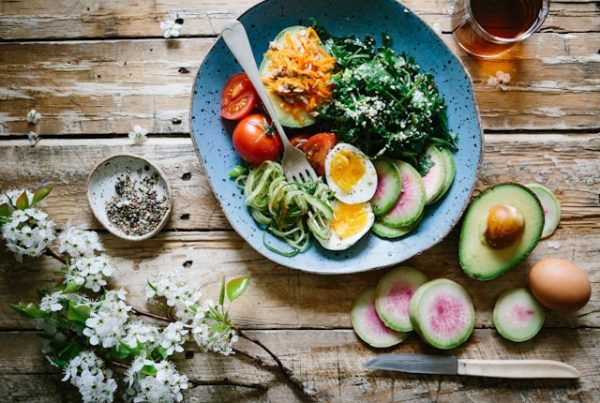
- Vegetables "Rich in vitamins, minerals and fiber, they are considered antioxidants. Kale, cabbage or broccoli, for example, are rich in sulphurane, a substance that protects the body and is anti-cancer."
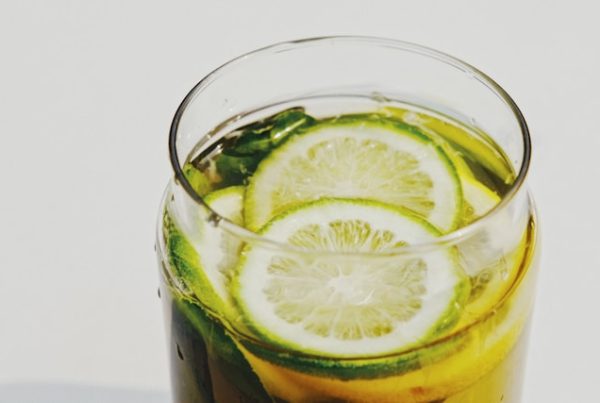
- Fruit "When it's a source of vitamin C and flavonoids, like citrus fruits, it's an antioxidant. Apples, kiwi fruit, papaya and mangoes are also anti-inflammatory allies. Cherries, blackberries and blueberries, rich in anthocyanins, fight chronic inflammation."
- Fish and meat "Sea bass, mackerel, sardines and tuna are rich in omega-3, a powerful anti-inflammatory. Meat, when of good quality, especially beef or poultry, is rich in vitamin B12, iron and folic acid."
- Eggs "As well as being a source of vitamin D, they contain all the essential amino acids for the body."
Endocrine disruptors: they are everywhere and cause inflammation
"Known as xenoestrogens, endocrine disruptors are substances present in the environment, whether in food, cosmetics or plastic packaging, which are molecularly similar to human hormones. This allows them to 'fit' into hormone receptors, giving rise to inflammation and disease, such as weight gain," explains Teresa Branco.
- The most common: "Heavy metals such as mercury (fish), arsenic (water), pesticides (fruit and vegetables) and acrylamide (food subjected to high temperatures) are the most common among food-related products."
Acute vs. chronic inflammation: Teresa Branco explains the differences
"The inflammatory process can be one-off (acute) and depends on an external agent," explains Teresa Branco, a physiologist at Weight Management. "In the case of a trauma, wound, bacteria or virus, the body tries to defend itself by releasing anti-inflammatory substances, and can overcome this naturally or with the help of drugs. When this doesn't happen, it can be fatal or develop into a chronic condition," he warns. "For example, when we have inflammation in the bladder or a tooth, the CRP (C-reactive protein, produced in the liver to defend the body) rises, but decreases as the inflammation is treated and eradicated. In a chronic process, this protein is repeatedly increased, which often happens in overweight people."