

One less cigarette in your hand doesn't have to mean one more kilo on the scale. If you think that quitting smoking makes you fat, counter this idea and take note of the strategies to adopt before, during and even after quitting.
Increased appetite, a slower metabolism, an emotional hunger that is difficult to control and, in the case of women, a greater propensity to store fat. When you decide to quit smoking, the combination of associated factors becomes the perfect recipe for weight gain. However, now that you know what can happen, here's the good news: it doesn't have to be that way.
If quitting smoking makes me fat, what can I do?
Prof. Teresa Branco, a physiologist specializing in weight management, teaches readers of Prevenir Magazine how to avoid turning to food (especially poor-quality food) to fill the void left by cigarettes—without, however, creating false hopes: “It takes willpower and good judgment to avoid simply replacing one addiction with another.”
In many cases, quitting smoking makes you fat. Why?
"There are several reasons why quitting smoking makes you fat. One of them (the most common and recurrent) is physiological: nicotine stimulates the body, causing the metabolism to speed up, and when you stop smoking, it slows down - one of the consequences is slower intestinal transit. Secondly, when people stop smoking, they become more aware of tastes and smells, increasing their desire to eat.
"When people stop smoking, they become more aware of tastes and smells, increasing their desire to eat"
Thirdly, ex-smokers continue to have an addiction to having something in their hand, often replacing the cigarette with food, which is usually crunchy. Finally, there's the emotional issue: nicotine is an addictive substance and has an antidepressant action (when smokers are nervous, they smoke a cigarette), just like food."
Is this weight gain common to all ex-smokers?
"Although there is this tendency and people should bear in mind that, when they stop smoking, there is a strong possibility of weight gain, it doesn't mean that everyone needs to eat for comfort or because of their increased appetite. Each case is different and if, on the one hand, the metabolism tends to slow down, there are other hormones in the body that can compensate when this stimulus ceases to exist."
And how can we avoid it?
"With regard to physiological tendencies (which are more difficult to control), the person should go to specialized professionals. They will study your metabolism and understand what repercussions nicotine has had in terms of hormones, the substances that make it up and how it works, and which, in a way, condition energy expenditure and the greater predisposition to accumulate it.
"Sugars and highly processed foods (...) tend to be much more quickly absorbed by the body and cause the immediate sensation of pleasure that tobacco promotes"
For example, it is very typical for these people to have tired adrenal glands (above the kidneys) and it is important to restore this balance through diet, physical activity, hydration and sometimes supplementation. This is because under- or over-production of these hormones can slow down our metabolism and even increase the tendency to accumulate fat."
To maintain weight, is it better to give up smoking gradually or radically?
"It would be much less aggressive for the body to go from one pack a day to 15 cigarettes, and then to ten, five, two and zero, thus allowing the metabolism to adapt, because, if we look at the physiological issue alone, it's better to do it gradually, allowing for weaning (as with any type of drug or medication).
To curb your hunger, eat crunchy foods like nuts or raw carrots.
However, most people can't do it and have the control to smoke just two cigarettes a day, preferring to quit smoking radically."
You mentioned an increase in appetite. Are there any foods that are harder to resist at this stage?
"Yes, namely sugars - which end up having a very similar stimulus to nicotine at the brain level - and highly processed foods, which tend to be absorbed much more quickly by the body and cause the immediate sensation of pleasure that tobacco promotes. This food therefore becomes somewhat addictive and, being high in calories and sugar, increases the body's predisposition to accumulating more fat. Ex-smokers also tend to snack constantly outside of meals."
What strategies can we use to fight these cravings?
“The first thing to do is to be aware that this is going to happen and, therefore, be prepared to stick with it. Next, develop strategies for physical exercise and clinical nutrition that compensate for the emotional void left by cigarettes. It’s essential to follow the principles of healthy eating—that is, avoiding processed foods and eating a rich and varied diet of yogurt, meat, fish, eggs, fruit, and all kinds of vegetables. These foods not only help control weight but are also the most nutritious and will provide the body with what it needs to function properly (without deficiencies or shortfalls). Furthermore, they ultimately divert our attention away from more processed and sugary foods.”
What about physical exercise?
"As a general rule, people who smoke have no physical activity habits and are, in a way, unprepared for it; smoking takes away this aptitude. Therefore, when quitting smoking, we encourage the person to do regular physical exercise - with variations in intensity - with the aim of speeding up their metabolism."
On the other hand, are there foods that increase the desire to smoke?
"Although no food is going to make us smoke, there are some that can indirectly enhance this action. This is the case with alcohol, which generally enhances the desire to smoke in an ex-smoker, as people tend to become less aware of their actions and devalue everything. What's more, drinking alcohol and smoking tobacco are two habits that are strongly associated, so the former potentiates the latter. Coffee can work in the same way. In addition, due to higher levels of anxiety, ex-smokers tend not to sleep as well and become more tired, which compromises their ability to achieve their goal of quitting smoking."
If you start smoking again, will you lose the weight you gained?
"Contrary to what most people think, going back to smoking won't help you lose weight, because the body won't necessarily speed up and there are addictions that remain. Smoking can help a smoker stay slim throughout her life, but if she puts on weight, smoking won't make her slimmer."
Feel like a cigarette? Don't take it out on food
Quitting smoking often makes you gain weight, but it is possible to reverse this trend. "Sometimes, to avoid eating a slice of cake, people overdo it on nuts, for example, eating a whole bag. It's important to counteract this emotional hunger and manage anxiety in a way other than through food." However, if you really feel like eating something, follow the weight management expert's advice:
- "Go for foods that really satisfy you, both emotionally and nutritionally."
- "Don't indulge in sweets, instead opt for more natural sugars (such as coconut or fruit), without going overboard."
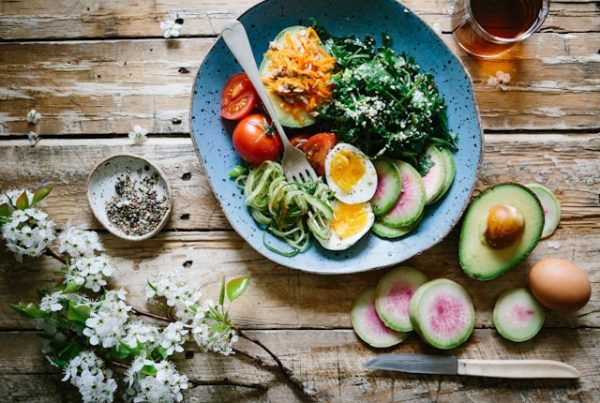
- "Opt for foods with a higher protein content and healthy fat levels such as eggs, nuts, yogurt, coconut, fruit (in moderation), avocado, chocolate with a high cocoa content, carrots."
- "Try crunchy foods such as nuts or raw carrots."