

Understanding what kind of fat you have and why it accumulates in this area can be the key to getting rid of it. Find out how to get a flat belly.
Muitas pessoas questionam-se como ficar com a barriga lisa. «Algumas pessoas têm mais células de gordura localizadas na região abdominal e, por isso, tendem a engordar com mais facilidade nesta zona do corpo», explica a Prof. Teresa Branco à Revista Prevenir. A culpa é da genética e, quanto a isso, não há nada a fazer. Os homens são quem mais sofre com a ditadura dos genes, «uma vez que possuem mais células de gordura nesta região, enquanto as mulheres têm geralmente mais células de gordura na região das coxas e glúteos», explica, embora algumas mulheres também sofram com o excesso de volume na cintura. Para todos eles, existem soluções. Identificar o tipo de gordura que acumula na zona abdominal e os fatores que a par da genética contribuem para esse volume são os primeiros passos.
Good fat, bad fat
A gordura presente na barriga pode ser de dois tipos: subcutânea ou visceral. A gordura subcutânea, o chamado “pneu”, localiza-se entre a pele e o músculo, é mole e difícil de eliminar. A gordura visceral localiza-se dentro da cavidade abdominal, junto às vísceras, criando uma barriga proeminente, mas dura. Esta deve ser especialmente combatida não só porque afeta a sua silhueta, mas «porque influencia negativamente o funcionamento dos órgãos, levando-os a produzir substâncias de forma desequilibrada», explica a Prof. Teresa Branco. Felizmente, é também «a mais fácil de eliminar, independentemente da estratégia utilizada», indica a diretora do Instituto Teresa Branco.
The causes
Although genetics is the main factor behind the accumulation of fat in the abdominal region, there are others that contribute to its appearance. If there is a genetic predisposition, there must also be excess calorie consumption for "fat to accumulate, which can be either visceral or subcutaneous," explains Teresa Branco. Another factor to take into account is age, due to the decrease in sex hormones, especially in the case of women approaching the menopause: "With the decrease in oestrogen, women are more likely to accumulate visceral fat," says the specialist. Finally, "the lack of physical exercise is a determining factor in the appearance of fat in the abdominal area," she concludes.
If the bulge in your stomach is due to abdominal dilation caused by muscle relaxation, avoid eating too quickly to reduce the amount of air entering your stomach. You should also avoid drinking too much liquid at mealtimes
Stress belly
Se existe um fator modificável que influencia, em especial, a acumulação de gordura visceral, esse fator é o stresse. «Sob stresse, o organismo produz uma hormona, o cortisol, que, quando em excesso, pode conduzir à acumulação de gordura visceral. Isto acontece porque as células dessa região do corpo são mais eficazes a armazenar energia sob a forma de gordura e são também mais sensíveis à ação do cortisol», explica a Prof. Teresa Branco, que desaconselha «a ingestão de cafeina e álcool, pois sobrecarregam as glândulas que produzem a hormona do stresse».
Sugar tire
Se é fã de doces e tem gordura abdominal subcutânea, saiba que acabar com o vício pode ser suficiente para recuperar a silhueta. «Quem tem este tipo de gordura não metaboliza bem os hidratos de carbono e, por isso, deve evitar todos os alimentos ricos em açúcar, farinhas processadas e amidos, uma vez que estes alimentos promovem uma subida de açúcar no sangue e consequentemente uma subida da insulina, emitindo um sinal de que é necessário armazenar açúcar sob a forma de gordura. Esta é, sobretudo, acumulada onde as células são mais sensíveis à ação da insulina, a zona abdominal», explica a Prof. Teresa Branco. «A ingestão de vegetais, de carnes magras e de peixe nas refeições principais, contribuirá para a diminuição da acumulação de gordura nestes depósitos», refere Teresa Branco.
"Through a blood test to measure the blood glucose curve, a weight management physiologist can understand how a person's body metabolizes carbohydrates and know which ones are best for that profile"
Fat or bloating? Take the test
«Se é a gordura que está a dar volume à barriga, haverá uma prega que se consegue agarrar por cima do músculo. Se o seu problema é inchaço, notará uma proeminência que torna a barriga muito dura, mas que não se consegue agarrar», explica a Prof. Teresa Branco.
So how do you get a flat stomach?
Geralmente, «o inchaço deve-se ao mau funcionamento e inflamação do intestino. Para melhorar o trânsito intestinal, é preciso alimentar-se de forma saudável: evitar alimentos que provoquem gases e inflamação – os que contêm lactose, nomeadamente o leite e as natas, que provocam maior flatulência e inchaço abdominal; alimentos com glúten, em pessoas sensíveis a esta proteína, café, álcool, e chá verde, que podem provocar algum tipo de inflamação nos intestinos, além dos que, são ricos em gordura e açúcares processados, como a fast food – e tomar probióticos para fornecer ao organismo as bactérias necessárias a um intestino saudável», esclarece a Prof. Teresa Branco. Estes estão presentes em iogurtes e queijos fermentados, mas também estão disponíveis sob a forma de suplemento alimentar. E não se esqueça de beber água. Sendo um dos melhores promotores do trânsito intestinal, a água é um excelente aliado na perda de volume na barriga.
The role of physical exercise
Quando se pretende perder gordura, a prática de exercício físico pode ajudar, especialmente se pretende combater a gordura visceral, «uma vez que as células de gordura localizada nesta região são mais facilmente metabolizadas e estimuladas com a atividade física», explica a Prof. Teresa Branco. Além de promover um trânsito intestinal regular, pelas contrações abdominais que provoca, combatendo o inchaço abdominal, a prática de exercício físico ajuda também a tonificar os músculos da região abdominal, ideal em caso de distensão abdominal, por exemplo, provocada pela gravidez, e também a gerir o stresse, responsável pelo aumento de gordura visceral.
The most effective training
Não existem exercícios específicos que nos façam perder gordura na barriga, pois «não perdemos gordura de forma localizada», explica a Prof. Teresa Branco, que recomenda: «Devemos fazer exercício que nos ajude a emagrecer e com isso eliminamos a gordura na região abdominal, tal como eliminamos a gordura nas outras regiões do corpo». Os melhores exercícios para a perda de peso são os cardiovasculares que envolvem quase todo o corpo, «como a passadeira, a bicicleta, a natação, a corrida e as caminhadas, desde que haja um esforço intenso. Por outro lado, os exercícios localizados e de musculação também são importantes, pois ajudam-nos a ganhar massa muscular, o que faz com que o metabolismo aumente e queime mais gordura», explica. O ideal será a junção de exercícios cardiovasculares com a musculação para obter os melhores resultados. Já os exercícios abdominais apenas podem ajudar «se houver uma proeminência abdominal causada por um relaxamento muscular (como na gravidez). Neste caso, os exercícios abdominais ajudam a tonificar esse músculo e, assim, a perder algum volume nesta região, mas não a perder gordura especificamente nesta zona.
Anti-belly menu: how to get a flat belly
If you want to lose weight in the belly area, there are certain foods you should avoid and others you should include in your meals. Take note:
Avoid
Sweets, sugary drinks, processed flours, starches and foods containing gluten, caffeine and alcohol.
Moderate
Carbohydrates (potatoes, rice, pasta), foods with fiber, milk and dairy products.
Eat
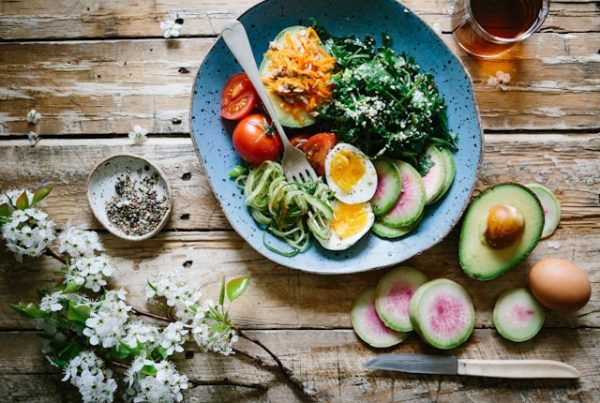
Lean meats, fish and vegetables.