

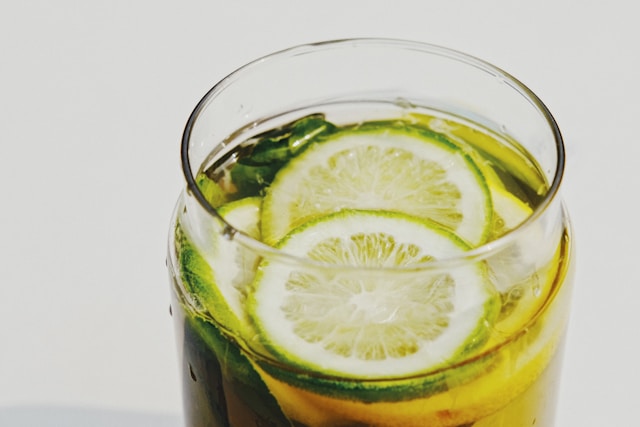
Our bodies are affected daily by external factors such as changes in the weather, stress, and poor diet. As such, and with the arrival of colder temperatures, one of the most common issues is dehydration, which can cause symptoms such as feeling unwell, abdominal bloating or distension, headaches, and/or gastrointestinal issues.
Focusing on reducing your intake of processed foods high in sugar and fat, cutting back on alcoholic beverages, and increasing your water intake may be the key to restoring balance, staying hydrated, and improving your eating habits.
Recipe for Pomegranate and Mint Infused Water
Ingredients:
- 2 Pomegranates
- Juice of 1 lemon
- 2 Sprigs of Mint
- 1 L of Water
Preparation:
- Peel the pomegranates and blend the contents in a blender until smooth. Add 200 ml of water and blend again.
- Strain the purée through a sieve into a pitcher or other container. Add the remaining 800 ml of water.
- Add the lemon juice and mint. Taste it and adjust to your liking; you can add a teaspoon of stevia to sweeten it.
- It's ready to serve. Keep it in the refrigerator.
Tips from a Clinical Dietitian
In simple terms, without the need to fast or follow a liquid diet (detox), our clinical nutritionist offers some tips to help you return to healthy eating habits and hit the reset button:
- Eat a healthy and varied diet, choosing fish over meat and avoiding red and processed meats.
- You can also choose some vegetarian meals that use eggs and legumes as a source of protein.
- Make vegetables the foundation of your meals to ensure you get enough vitamins, minerals, and fiber.
- Choose simple cooking methods such as boiling, grilling, and roasting, or simple, low-fat stews.
- Cut back on processed foods, sugar, and sugary foods such as juices and soft drinks, chocolate, candies, breakfast cereals, cakes, condensed milk, fruit in syrup, sugar, honey, and jam, among others.
- Avoid eating foods high in saturated and trans fats, such as fried foods, puff pastries, butter, and others.
- Avoid drinking alcohol, which contains substances that are harmful to normal liver function and is high in calories.
- Make sure to drink an adequate amount of water each day, based on your specific needs.
Please consult our clinical nutritionist if you have any questions.