

Seven strategies to control sudden hunger attacks without binge eating.
É à noite, quando os níveis de serotonina diminuem e o stresse se acumula, que os ataques de fome tendem a acontecer com mais frequência. «Algumas pessoas acabam por comer compulsivamente, outras vão petiscando repetidamente», comenta a Prof.ª Teresa Branco, fisiologista na gestão de peso, em conversa com a Revista Prevenir. Os efeitos destes apetites súbitos dependem do comportamento adotado e do tipo de alimentos ingeridos, mas podem levar ao consumo, de uma só vez, de 2 mil calorias (o número médio de calorias que devemos ingerir ao longo de um dia inteiro). Evite-os pondo em prática estes sete passos simples.
7 steps to control hunger attacks
1. Start the day well
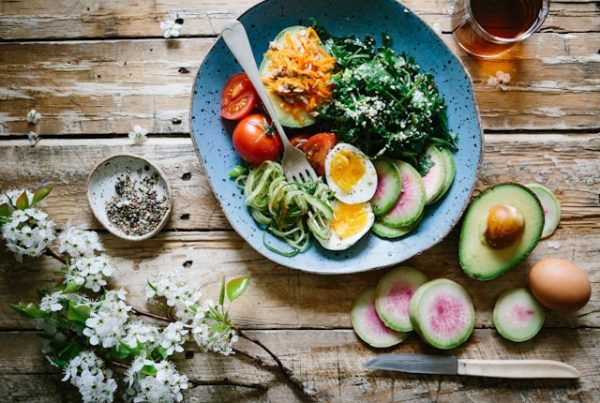
A ingestão de um bom pequeno-almoço parece contribuir para a diminuição dos ataques de fome ao longo do dia. «Para que possamos fazer um bom pequeno-almoço é necessário incluir uma peça de fruta, uma boa fonte proteica (como ovo) e uma fatia de pão de centeio», sugere a Prof.ª Teresa Branco.
2. Choose the most satiating foods
Both protein foods and those rich in healthy fats give us more satiety and help control hunger attacks. "Examples of foods rich in fat are nuts, avocado, coconut and cheese. More satiating sources of protein include cottage cheese and protein bars," says the expert.
3. Eat every three hours
This way you avoid long periods of fasting and prevent sudden hunger," she explains. To do this, you should eat at least five or six meals a day: breakfast, mid-morning snack, lunch, mid-afternoon snack, dinner and supper.
4. Eat smart
Controle os ataques de fome optando por alimentos saudáveis e pouco calóricos. «Se comer de faca e garfo conjugue alimentos ricos em gordura e em proteína magra e evite misturar hidratos de carbono com gordura. Se ingerirmos hidratos de carbono, fazemos com que a insulina se eleve e todas as calorias da gordura serão depositadas no tecido gordo corporal», explica a Prof.ª Teresa Branco.
5. Avoid sugar
Os alimentos açucarados ou ricos noutros hidratos de carbono são os mais procurados quando surgem os ataques de fome porque chegam mais facilmente ao cérebro. Se lhe apetecer um doce, «opte por uma peça de fruta com canela e iogurte, uma gelatina com iogurte, uma barra proteica sem açúcar ou um pedaço de chocolate negro com mais de 70 por cento de cacau», sugere a Prof.ª Teresa Branco.
6. Find a distraction
If you feel hungry, leave the house or do something that keeps you away from the fridge. "If you can't resist, you can bring forward the time of your next meal," suggests the expert.
7. Learn from mistakes
The ideal thing to do after you've had a hunger attack that you couldn't resist is to increase your physical activity and have positive thoughts such as "even though I've had this episode, I won't have it tomorrow because I'm going to do physical activity".
Still suddenly hungry?
If you continue to experience hunger attacks, even when you eat foods rich in fat and protein, increase the carbohydrate content a little.