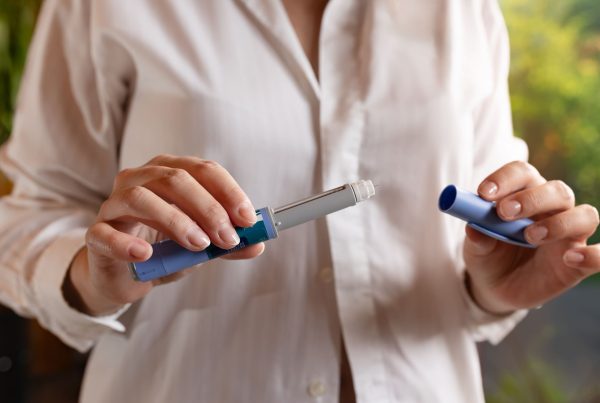

Women's weight management has always been a sensitive issue, as it not only has an impact on their self-esteem, but also on their health. As we get older, certain symptoms appear which indicate that we may be reaching the perimenopause stage.
What is Perimenopause and Menopause anyway?
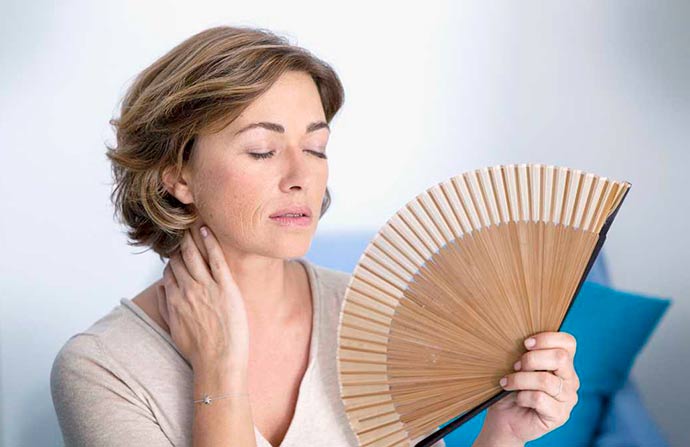
"The menopause is a natural process in the female organism and may not require therapeutic interventions," explains Dr. Sinthia Puttini, a specialist in Hormone Modulation and Orthomolecular Medicine, adding that "with the menopause, new illnesses may arise or even some clinical situations may worsen."
Perimenopause is the period of transition to menopause, which varies from woman to woman and can last up to 10 years. During this period, hormone levels fluctuate greatly and symptoms begin to appear.
Menopause occurs when hormones are suppressed and ovulation ceases. The menopause is established one year after the last menstrual period and marks a woman's biological evolution. The intensity of the symptoms can vary from woman to woman and can be extremely limiting in terms of quality of life. The main symptoms are usually
- anxiety;
- irritability;
- mood swings;
- memory failures;
- depression;
- insomnia
Faced with this situation, many women end up resorting to anxiolytics and antidepressants, whereas the most appropriate thing would actually be to balance the hormonal profile.
The first hormone to decrease its production is progesterone, around the age of 30-35, and this leads to the appearance of the first hormonal change characterized by oestrogen dominance. In this situation, symptoms such as:
- increased fluid retention;
- swelling and chest pain;
- breast lumps;
- some menstrual irregularity (shorter or longer cycles, more abundant bleeding)
These symptoms are caused by hormonal fluctuations and can be controlled. It's also important to know that there are other factors that can intensify symptoms and hormonal changes:
- intestinal flora imbalance;
- alcohol and tobacco consumption;
- foods high in sugar or saturated fats;
- stress;
- overweight;
- endocrine disruptors;
- xenoestrogens
The menopause is a natural process in the female body and may not require therapeutic interventions. It's normal for women to feel it:
- an increase in weight, especially abdominal fat;
- skin and hair changes;
- increased feelings of fatigue and tiredness;
- sweating;
- vaginal dryness;
- decreased libido;
- urogenital complaints;
- bone and joint pain;
- a tendency for blood pressure and cholesterol levels to rise.
However, with the menopause, new illnesses can arise or even worsen some clinical situations such as:
- cardiovascular problems;
- dementia;
- osteoporosis;
- obesity;
- diabetes.
The greatest loss of bone mass occurs in the first 5 years of the menopause and can be aggravated by factors such as white skin, smoking and excessive amounts of alcohol, chronic use of corticosteroids and physical inactivity. Bones become fragile and can fracture more easily. The bones that fracture most often are the vertebrae (which causes curvature and back pain), the femur and wrists. When oestrogen levels decrease, the risk of cardiovascular disease increases. Heart disease is still the leading cause of death in women. The primary aim of menopause treatment is to prevent certain diseases and improve a woman's quality of life.
But what are the strategies for a balanced menopause?

"It's essential to see a doctor for a detailed assessment and to start appropriate treatment," says Dr. Sinthia Puttini
Various strategies can be adopted to overcome the symptoms of the menopause, minimize the risks of hormonal decline and maintain quality of life. It is essential to see a doctor for a detailed assessment and to start appropriate treatment in order to control undesirable symptoms. It is possible to regulate hormones:
- regulate mood and emotional lability;
- balance blood sugar levels;
- stimulate the thyroid;
- regulate sleep;
- weight control.
The role of Hormone Modulation

Contrary to the widespread idea that hormone modulation only involves medication, for Dr. Sinthia Puttini "we arealso doing hormone modulation when we eat well, exercise properly and sleep well"
Hormonal modulation is the combination of all the measures we can use to optimize the entire hormonal process. We are doing hormonal modulation when we eat well, exercise properly, take into account the need to ingest vitamins and minerals, control inflammation and eliminate electromagnetic radiation and toxins.
Hormone modulation treatment aims to optimize hormone function by promoting a healthy lifestyle, a balanced diet and nutritional supplementation. Hormone regulation is promoted by adequate physical activity, adequate quantity and quality of sleep (known as restorative sleep), always with the aim of optimizing the body's metabolism and purification.
The use of hormones should preferably be done using bio-identical hormones, i.e. those that resemble our natural hormones and in the lowest possible dose to control symptoms. In addition, hormone modulation should only be carried out after the patient has undergone all the routine tests and the doctor has checked her health history.
For women who cannot resort to hormone therapy, there are other options that can control symptoms. Important tips such as those described below are essential in all cases:
- watch your diet;
- choose organic and fresh food;
- avoid industrialized, processed and refined foods;
- reduce consumption of meat and dairy products;
- eat foods rich in fiber (especially vegetables);
- eat foods rich in lignans and crucifers;
- eat foods rich in polyphenols (antioxidant action)
Get an assessment, seek disease prevention and quality of life.
Grow old in good health.