

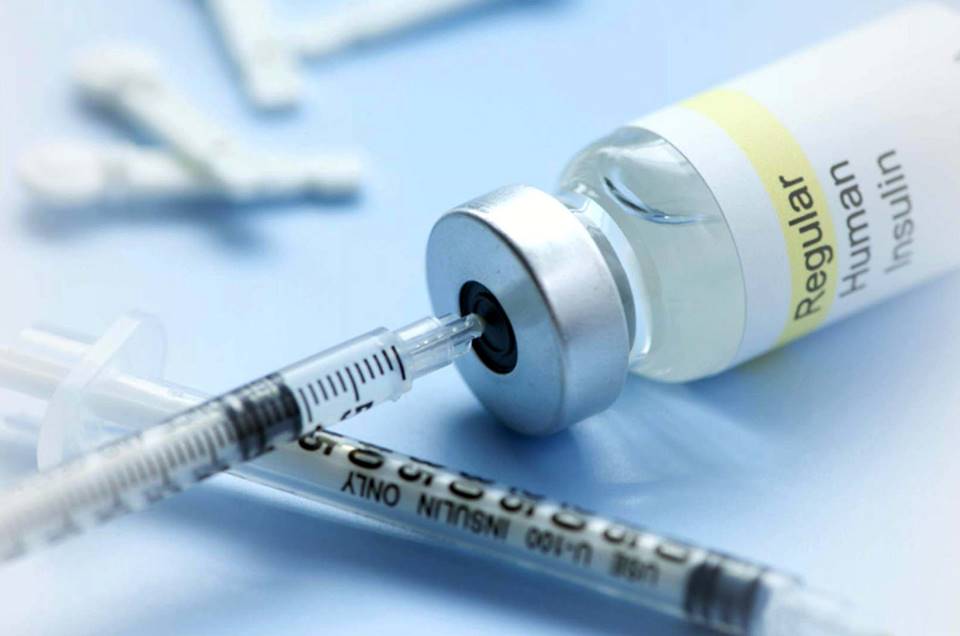
What is insulin?
Insulin is a hormone produced in the pancreas and plays an important role in controlling appetite, weight, fat storage and cholesterol, inflammatory processes and other functions. When this hormone is out of whack, more sugar is concentrated in the blood and stored in the tissues, which will lead to fat accumulation if it isn't used up.

Insulin resistance and the main associated diseases
Currently, with the abusive consumption of refined and processed foods, there is an excessive amount of glucose in the blood, and the pancreas understands that it needs to produce more insulin to remove the excess glucose, but as the cell is full, the insulin receptor closes and the insulin produced is no longer able to act. As a result, all the excess glucose in the cell, which has not been transformed into energy, will be transformed into triglycerides and visceral fat. If the process continues, in addition to excess insulin in the blood, sugar also accumulates and we develop a disease called type 2 diabetes, one of the most common diseases today.
So, contrary to popular belief, the fat that accumulates in the tissues, known as visceral fat, is caused by excess consumption of carbohydrates and insulin resistance and not by excess consumption of fats. So we can see how insulin plays a fundamental role in weight management. The feedback from glucose metabolism is altered and promotes:
- Accumulation of fat in the tissues;
- Obesity;
- Increased risk of cardiovascular disease and inflammatory diseases such as polycystic ovaries, fatty liver, arthritis, recurrent infections, low immunity and cancer;
- Type 2 diabetes
The vicious circle: the more sugar you consume, the more you crave it

The spikes in glucose that the body suffers from eating processed foods lead to a vicious state , where our brain receives a release of dopamine, with a feeling of pleasure, followed by a feeling of deprivation and withdrawal, leading to eating high-calorie foods again and perpetuating the cycle of emotional hunger.
In this situation, it is necessary to break the vicious circle and re-establish an adequate metabolism so that the body can use stored fat as an energy source. Some strategies, such as eating foods with a low glycemic index, increasing the interval between meals and/or practicing intermittent fasting, can help restore metabolic balance and manage weight.
Insulin resistance: what are the symptoms?
The symptoms related to insulin resistance are many and include:
- Difficulty losing weight;
- Constant hunger;
- Tiredness (especially after meals) / fatigue;
- Joint pain;
- Hormonal disorders such as estrogen dominance and cellular hypothyroidism.
We need to act preventively, before the diseases manifest. For this, early diagnosis is essential and some laboratory tests are essential: fasting glucose and insulin levels, glucose and insulin curve, lipid profile, inflammatory markers such as ultra-sensitive CRP, fibrinogen, homocysteine, among other complementary tests.
Strategies for controlling insulin, glucose and therefore weight

In addition to a balanced diet, exercise plays a key role in helping the body to use stored fat, increasing insulin sensitivity, which in turn increases growth hormone, promotes fat consumption and increases muscle mass. A highly recommended workout is HIIT (High Intensive Interval Training). These workouts exploit cardiac capacity and progressively increase our endurance, making them the best workout for regulating insulin levels in the blood.
Some dietary supplements can also help to start this process, such as berberine extract, green tea extract, garcinia, cissus quadrangularis, turmeric and piperine, oregano extract, cinnamon, omega 3, metoformin, as long as they are prescribed by a qualified professional.
In fact, the most important thing is lifestyle change. This is where health is promoted, quality of life is improved and cycles of chronic and debilitating diseases are avoided.