


Teresa Branco
Exercise Physiologist
Director of TO BE.
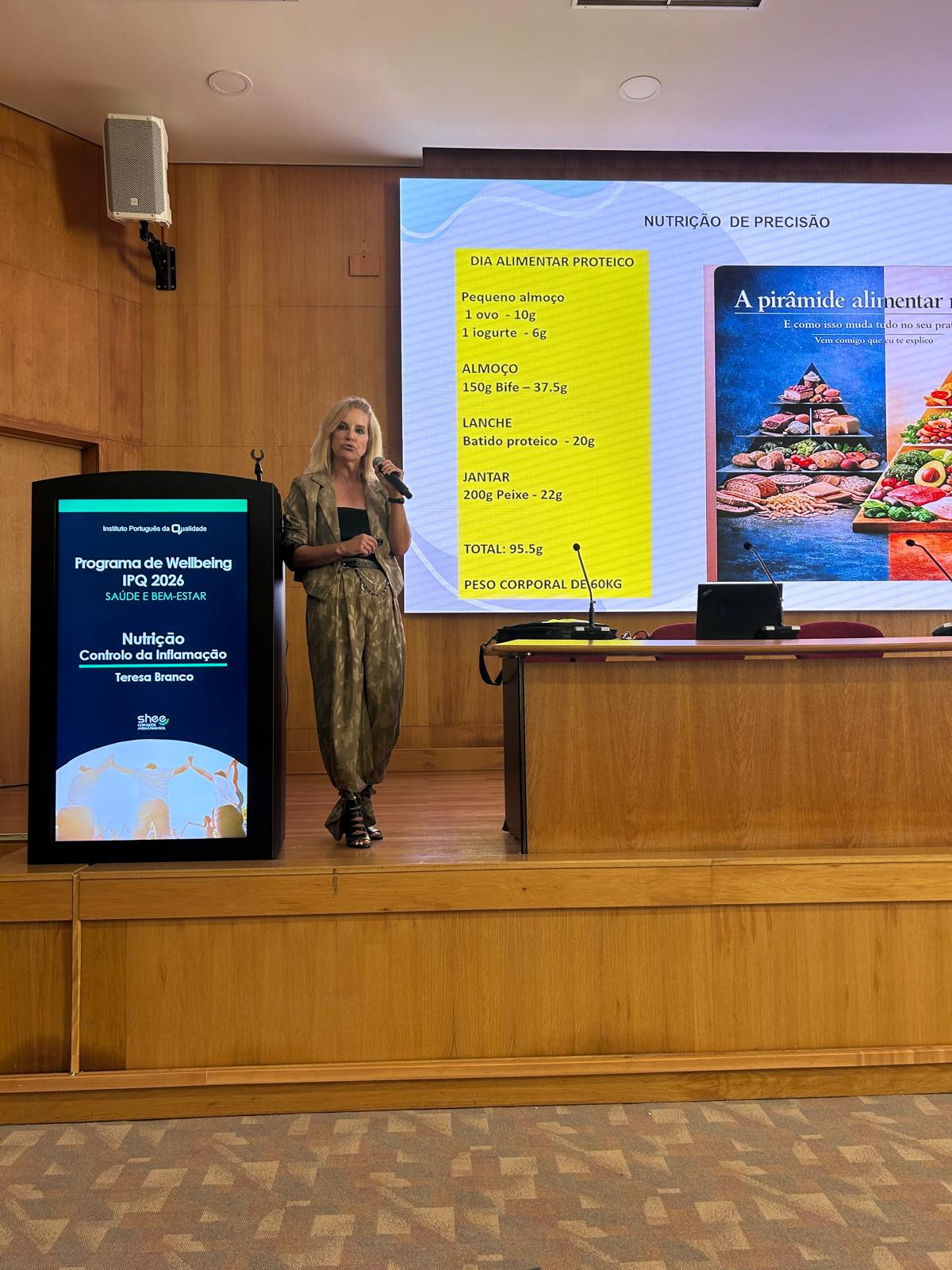
On June 3, 2026, TO BE. was invited to lead a workshop at a company on a topic that lies at the heart of our clinical practice: chronic inflammation, its impact on weight management, and concrete strategies for reversing it. It was an opportunity to engage directly with people who, in their daily lives, face the same challenges we encounter in our practice.
In this article, we've summarized the key points from that presentation.
How We Assess Inflammation at TO BE.
The first question we asked was: How do we know if we’re inflamed? At TO BE., the answer involves looking at it from multiple angles. We use our TO BE. Inflammation Index,, which combines:
- Clinical laboratory tests;
- Food Intolerance Testing;
- Clinical symptoms — persistent fatigue, headaches, among others;
- Body Composition Assessment.
This approach allows us to go beyond routine tests and identify subtle inflammatory patterns that often go unnoticed.
What is chronic inflammation, and what causes inflammation?
Low-grade chronic inflammation is a silent state of immune activation that, unlike acute inflammation, does not resolve on its own. It persists over time and is the root cause of a wide range of metabolic, cardiovascular, and autoimmune diseases.
The main factors that contribute to this inflammatory condition are:
- Diet – processed foods, sugar, gluten for those who are sensitive to it, dairy products;
- Environment – exposure to endocrine disruptors in the environment;
- Hormonal imbalances;
- Stress;
- Sedentary lifestyle;
- Gastrointestinal health.
Among other factors.
Inflammation and Weight Management: A Self-Perpetuating Cycle
One of the most striking points of the presentation was the bidirectional relationship between inflammation and excess weight. The issue is not linear; it is circular.
Body fat—and visceral fat in particular—produces inflammatory substances called adipokines, which keep the body in a state of constant immune alert. Furthermore, chronic inflammation itself disrupts the hormonal and metabolic mechanisms that regulate appetite and fat distribution, making weight loss more difficult.
In other words: inflammation causes weight gain, and excess fat causes inflammation. To break this cycle, it’s necessary to address both issues simultaneously.
Anti-Inflammatory Clinical Nutrition: What to Eat (and What to Avoid)
At TO BE., we advocate for nutrition Clinical , tailored to each person’s individual profile. There is no one-size-fits-all protocol. However, there are overarching principles that we share with the group:
What to reduce or eliminate
- Processed Foods;
- Refined sugar in all its forms;
- Foods Containing Gluten – especially for people with a diagnosed sensitivity;
- Dairy products – depending on individual tolerance.
What to Prioritize
- A variety of vegetables and fruits – sources of antioxidants and fiber;
- High-quality protein;
- Healthy fats —olive oil, avocados, fatty fish, nuts.
Regarding protein, we emphasize its strategic importance. For a person weighing 80 kg, the goal should be between 130 and 170 g of protein per day—an amount that most people fall far short of. Preserving muscle mass is essential not only for metabolism but also as an independent anti-inflammatory factor.
Other approaches we’ve discussed—such as intermittent fasting, the ketogenic diet, or the FODMAP diet—can be valuable tools in certain contexts, provided they are appropriately prescribed and supervised.
Exercise: The Most Underrated Anti-Inflammatory
Regular physical exercise is one of the most powerful anti-inflammatory agents we know of—and one of the least used. At TO BE., we recommend a structured approach that combines two types of training:
- Weight Training — 4 times a week, 30 min
- Cardio Workout — 7 times a week, 30 min
When skeletal muscle is exercised, it releases myokines with systemic anti-inflammatory effects. Therefore, building muscle isn’t just a matter of aesthetics—it’s a strategy for metabolic health.
Hormone Supplementation and Replacement: When and Why
Supplementation and hormone replacement were two of the topics that sparked the most curiosity among the group. We presented our approach:
Customized Prescription Supplements
There is no one-size-fits-all formula. At TO BE., supplementation is prescribed by a doctor on our team, based on individual clinical test results. The supplements most frequently recommended for anti-inflammatory purposes include vitamin D, B vitamins, magnesium, vitamin C, folic acid, iron (when indicated), creatine, and protein. The prescription is always medical, personalized, and tailored to each person’s specific situation.
Hormone Replacement Therapy
Hormonal imbalances are often a silent cause of chronic inflammation and difficulty managing weight. When clinically indicated, replacement therapy with testosterone, DHEA, progesterone, estrogen, and thyroid hormones (T3 and T4) is prescribed and monitored by a physician on our team, always based on a thorough medical evaluation.
Note: It is important to clarify how this process works at TO BE: both requests for lab tests and any prescriptions—for supplements, medication, or hormone replacement therapy—are always the responsibility of a physician on the team, following a clinical consultation. Prof. Teresa Branco, an exercise physiologist and Director of TO BE., coordinates the multidisciplinary plan and the exercise and body composition component; she does not prescribe treatments or medication. None of the approaches described in this article should be initiated on one’s own or without medical supervision.
About TO BE.
TO BE. is a medical clinic where scientific rigor is combined with an integrated care model. Through a multidisciplinary team that brings together Endocrinology, Internal Medicine, Clinical Nutrition, Exercise Physiology, and Healthy Longevity Medicine, we provide personalized care to address the needs that most significantly impact health and longevity—with a special focus on women’s health.
When it comes to inflammation and weight management, our commitment is clear: we want each person to understand what is happening in their body, be aware of the available options, and make informed decisions—without fear, without pressure, and with close ongoing support. The TO BE. Inflammation Index is reviewed, and the resulting plan is developed during a consultation with a doctor from our team, in coordination with the clinic’s other departments.